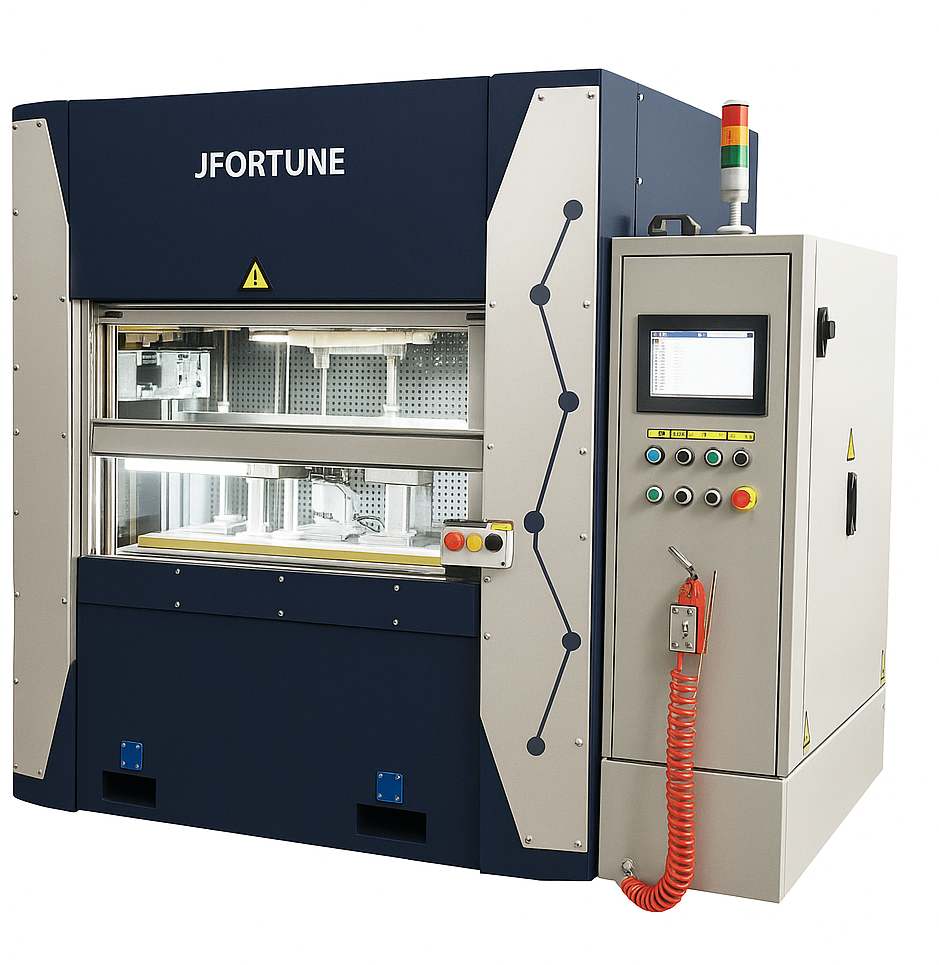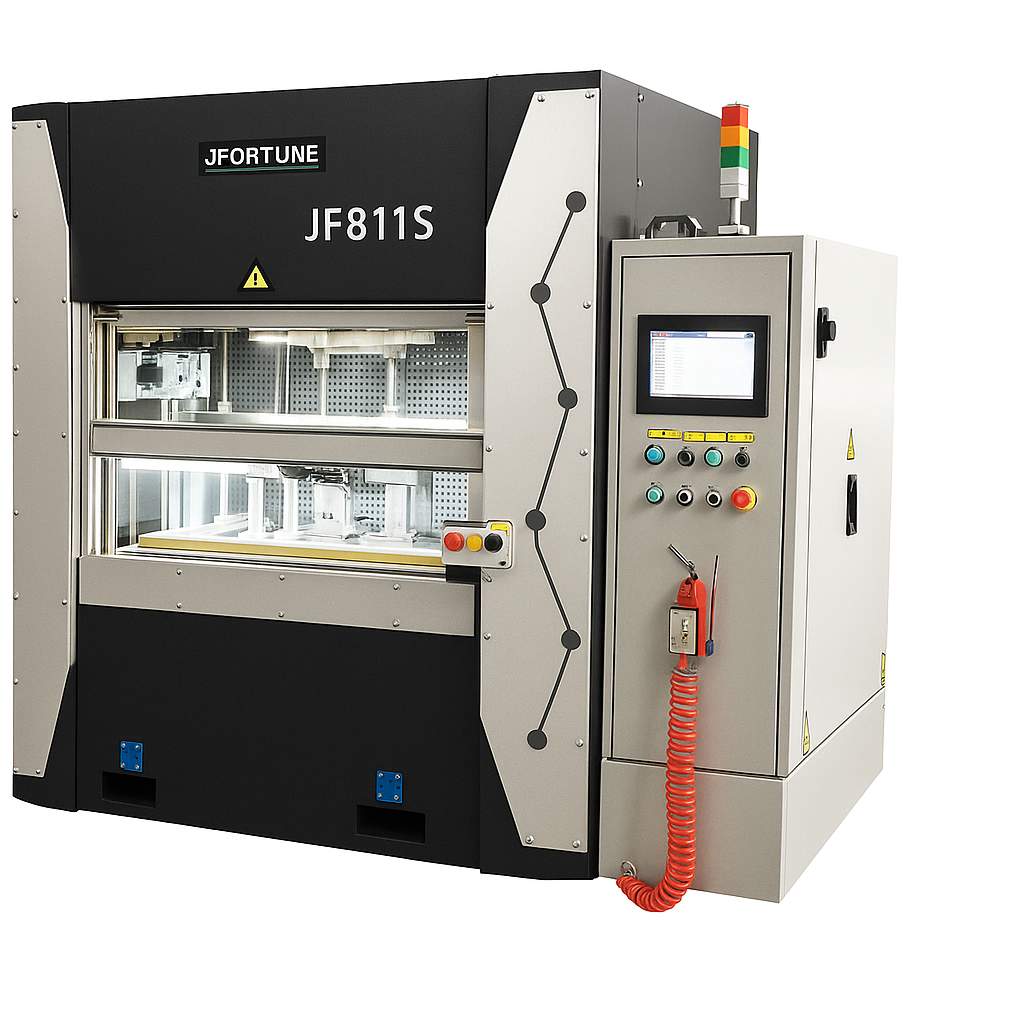
レーザー溶接機

Laser Welding of Plastics: The Ultimate Guide for 2025

Laser Welding of Plastics: The Ultimate Guide for 2025 Imagine joining plastic parts with a laser so precise it creates invisible, super-strong bonds without any mess! Laser welding of plastics is revolutionizing industries like automotive and medical devices. At Suzhou Jfortune Precision Machinery Co., Ltd, we craft top-tier laser welding machines trusted by giants like BMW and Mercedes Benz. Here’s why laser welding of plastics is a game-changer: Key Benefit Why It’s Awesome Pinpoint Precision Perfect for tiny or tricky shapes. Zero Mess No dust, ideal for electronics. Super Strong Bonds as tough as the plastic itself. Fast and Clean Saves time and keeps parts neat. Ready to dive in? […]

Laser Welding of Plastics: The Ultimate Guide for 2025 続きを読む »
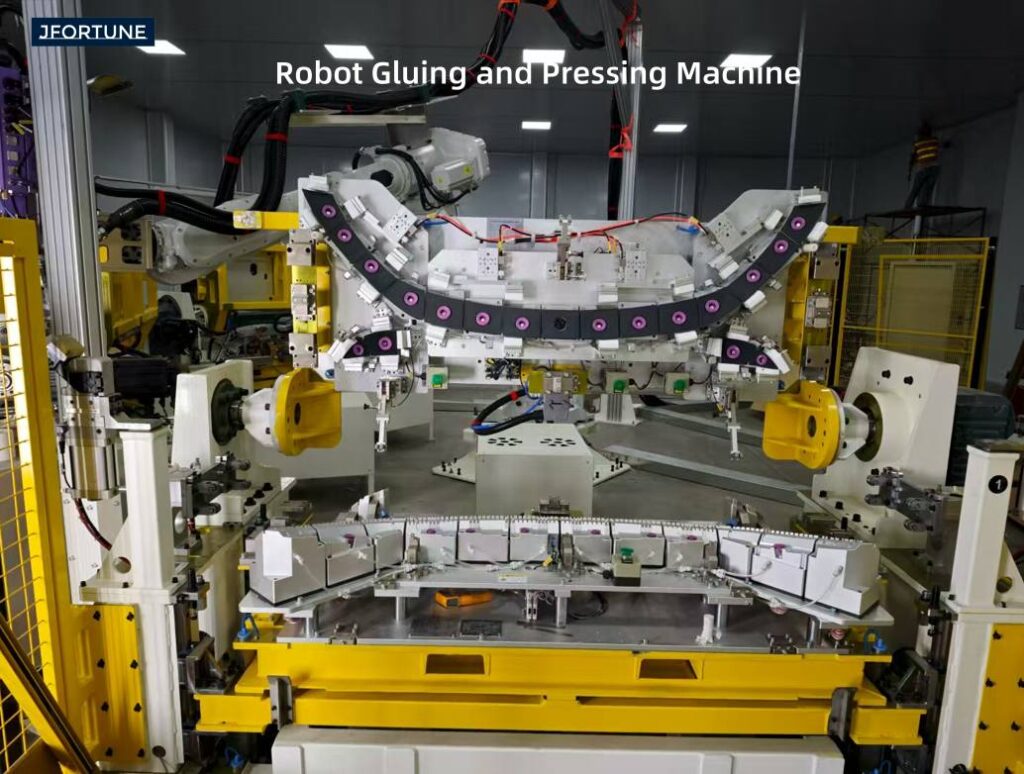
robot gluing and pressing machine

Robot Gluing and Pressing Machine

Robot Gluing and Pressing Machine: The Ultimate Guide for Manufacturers in 2025 Aspect Key Insight Market Size Global industrial robotics market: Around USD 40-55 billion in 2025 (projections from sources like Grand View Research and FMI). Gluing subset: About USD 1.3 billion. Average Cost Entry-level: USD 10,000-50,000; Advanced with pressing: USD 100,000-150,000+ (updated 2025 estimates from robotics suppliers). Top Benefits Up to 65% error reduction, 50% productivity boost, lower waste. Key Industries Automotive (e.g., bonding batteries), electronics (sealing circuits), packaging. Future Trend AI integration and sustainable adhesives; market to grow 10-18% CAGR by 2030. 1. What is a Robot Gluing and Pressing Machine? Imagine a smart helper in a factory.

Robot Gluing and Pressing Machine 続きを読む »

Advantages of Plastic Welding Using Laser Technology

Advantages of Plastic Welding Using Laser Technology

Advantages of Plastic Welding Using Laser Technology Introduction to Laser Welding in Plastics Why Laser Welding is Transforming Manufacturing Laser welding has emerged as a game-changer in the world of plastic manufacturing. With its ability to deliver precise, strong, and clean welds, this technology is reshaping industries like automotive, medical, and electronics. According to market research, the global laser plastic welding market is expected to grow from USD 1.45 billion in 2024 to USD 2.66 billion by 2032, boasting a CAGR of 7.86%. This growth reflects its increasing adoption due to its unmatched advantages over traditional methods. Unlike vibration welding or hot-plate techniques, laser welding offers a non-contact process that

Advantages of Plastic Welding Using Laser Technology 続きを読む »

Efficient plastic laser welding machine

Efficient Plastic Laser Welding Machine

Comprehensive Guide to Efficient Plastic Laser Welding Machines Comprehensive Guide to Efficient Plastic Laser Welding Machines 1. Introduction: The Power of Plastic Laser Welding What Makes Laser Welding Stand Out? Plastic laser welding is transforming the manufacturing world by offering a fast, precise, and clean way to join plastic components. This advanced technology uses a focused laser beam to melt and fuse plastics, creating strong bonds without the need for adhesives, fasteners, or messy processes. Its ability to deliver consistent, high-quality results has made it a go-to solution for industries ranging from automotive to medical devices. The importance of this technology lies in its efficiency and adaptability. Whether you’re assembling

Efficient Plastic Laser Welding Machine 続きを読む »

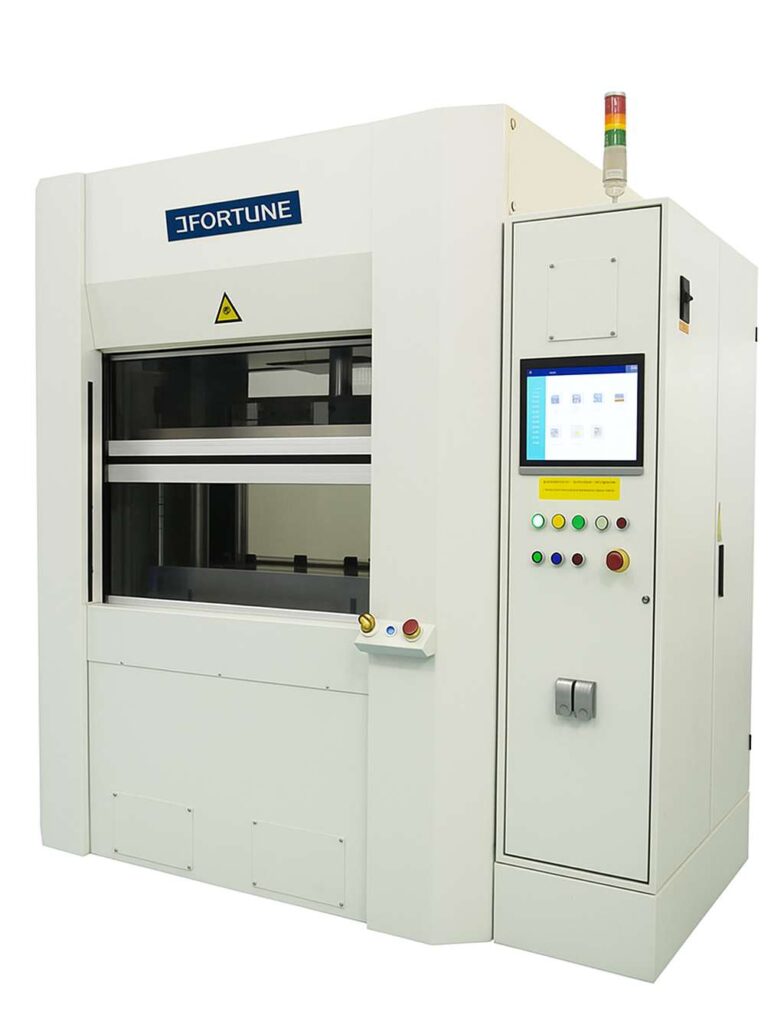
Branson vibration welder

Comprehensive Guide to Linear Vibration Welding Machine

Comprehensive Guide to Linear Vibration Welding Machine Introduction Unveiling the Power of Linear Vibration Welding Have you ever marveled at how car headlights remain robust or how fuel tanks stay leak-proof after years of rigorous use? The answer lies in an innovative technology known as linear vibration welding. This advanced method acts like an industrial superpower, fusing plastic parts with precision and strength using heat generated from friction—no adhesives required. It’s fast, sustainable, and produces welds tough enough to meet the demands of industries like automotive, medical devices, and consumer goods. Leading this technological revolution is Suzhou Jfortune Precision Machinery Co., Ltd, a pioneer in crafting state-of-the-art welding machines. With

Comprehensive Guide to Linear Vibration Welding Machine 続きを読む »

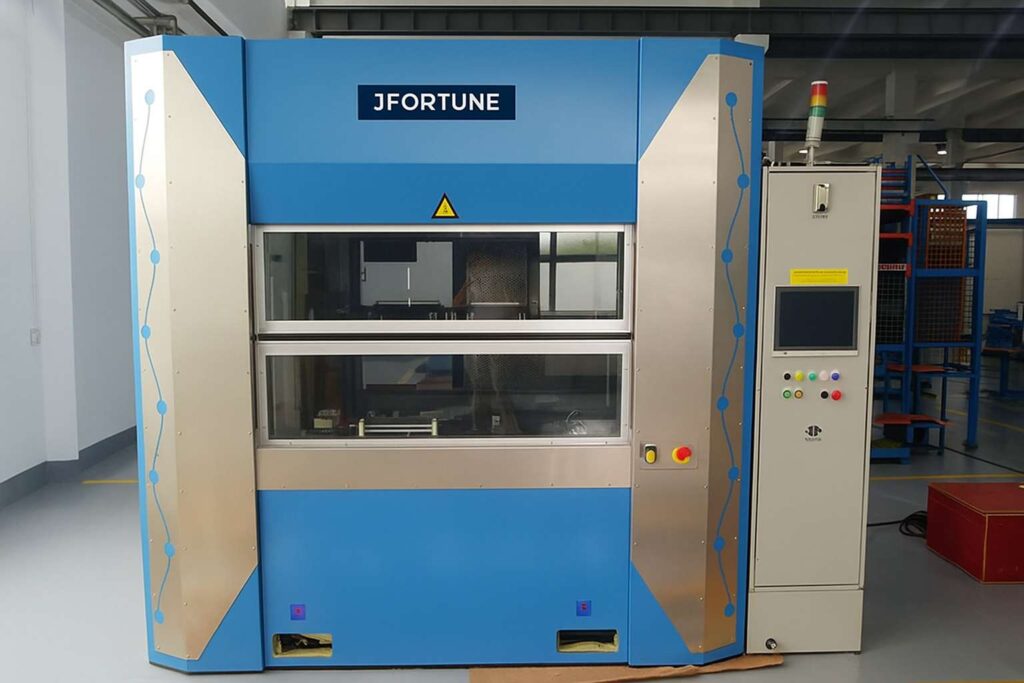
リニア振動溶接について

リニア振動溶接について

“`html Everything You Need to Know About Linear Vibration Welding Linear vibration welding is a fast, reliable way to join plastic parts, making it a go-to method in industries like automotive, medical, and consumer goods. It uses vibration to create heat, melting plastic parts together without messy glues or harmful fumes. In this detailed guide, we’ll walk you through what linear vibration welding is, how it works, and where it’s used—all in simple terms anyone can understand. Introduction to Linear Vibration Welding What’s It All About? Linear vibration welding is a technique that bonds two plastic pieces by vibrating them against each other under pressure. The friction from the vibration

リニア振動溶接について 続きを読む »

振動溶接コンセプト

Vibration Welding for Aerospace

Vibration Welding for Aerospace: A Comprehensive Guide Vibration Welding for Aerospace: A Comprehensive Guide 1. Introduction to Vibration Welding What is Vibration Welding? Vibration welding is a cool way to stick two pieces together, like plastic or even some metals like aluminum. It uses fast back-and-forth movements—called oscillations—to create heat through friction. This heat melts the edges of the parts, and when they cool down, they’re stuck together super strong. Imagine rubbing your hands really fast to warm them up; it’s kind of like that! The machines, like those from Suzhou Jfortune Precision Machinery Co., Ltd, vibrate at 100 to 240 times per second (Hz), making it perfect for aerospace

Vibration Welding for Aerospace 続きを読む »

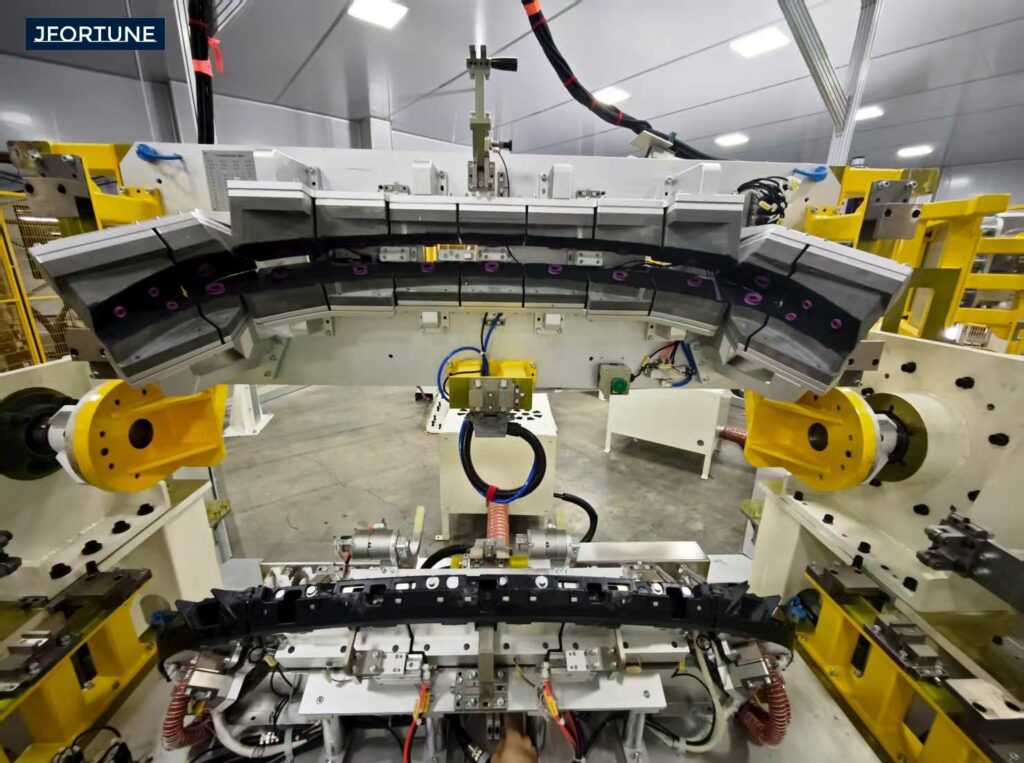
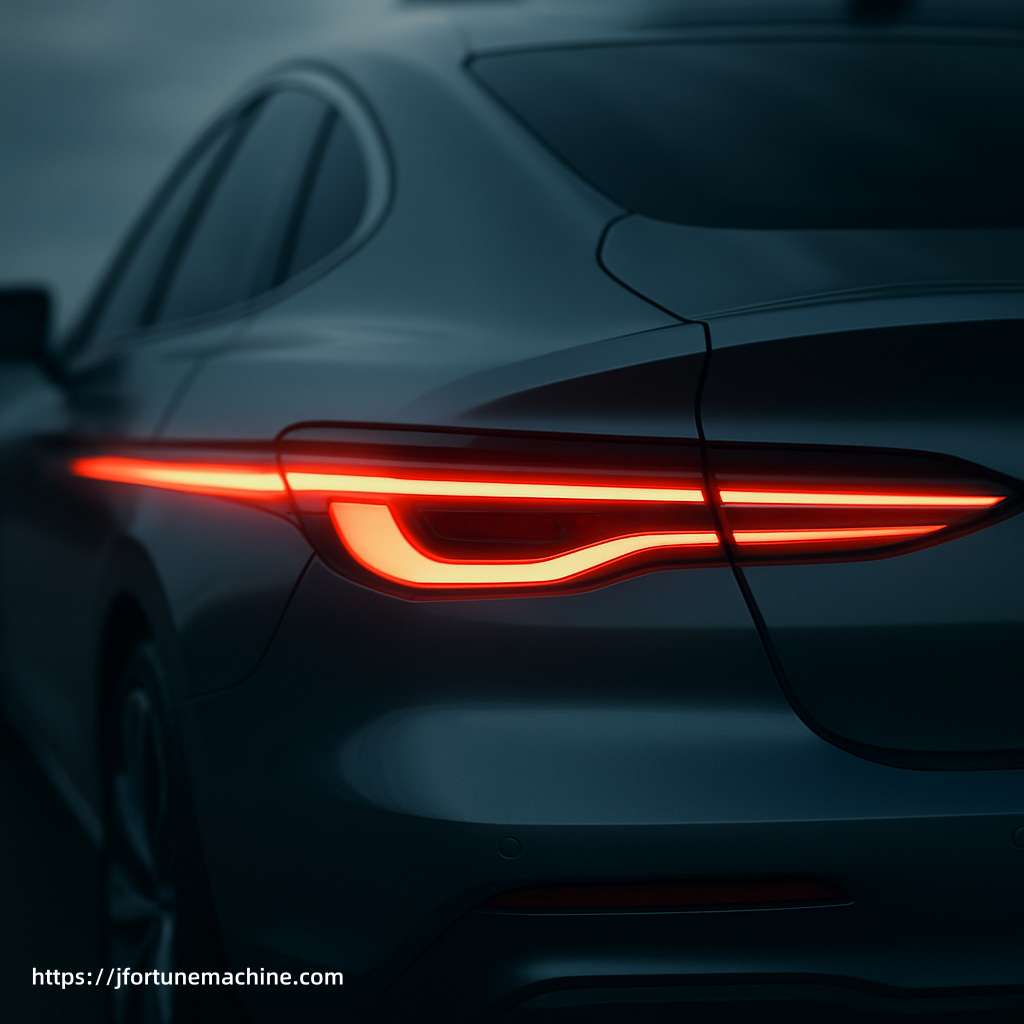
振動溶接テールランプ

Vibration Welding Tail Lamps: A Comprehensive Guide

1. Introduction to Vibration Welding Tail Lamps What Is Vibration Welding? Vibration welding is a sophisticated manufacturing technique that uses frictional heat to join plastic components without adhesives or fasteners. In the context of vibration welding tail lamps—those critical safety and aesthetic features on vehicles—this method bonds the lens to the housing, creating a durable, sealed unit. The process involves vibrating one component against another at high frequency, generating heat that melts the plastic at the contact point. Once cooled under pressure, the parts fuse into a robust joint. “Vibration welding has revolutionized the way we assemble tail lamps, offering unmatched reliability and efficiency,” says John Smith, a leading expert

Vibration Welding Tail Lamps: A Comprehensive Guide 続きを読む »

振動溶接が最良の選択である場合

振動溶接が最良の選択である場合

When Vibration Welding is the Best Choice When Vibration Welding is the Best Choice Vibration welding is a powerful technique for joining plastics, delivering strong, airtight seals that shine in industries like automotive, medical devices, and packaging. If you’re wondering when it’s the best choice, you’re in the right place. This article simplifies everything—even a 12-year-old could follow along! We’ll explore how it works, when to use it, and why it’s growing in popularity, complete with examples, data, and visuals. Let’s dive into the first part of this guide. 1. Introduction: What is Vibration Welding? The Basics of Vibration Welding Picture this: you’ve got two plastic pieces that need to

振動溶接が最良の選択である場合 続きを読む »

vibration welding machine for small parts

Comprehensive Guide to Friction Welding

I. Introduction to Friction Welding What is Friction Welding? Imagine creating a perfect bond between two metals—like aluminum and steel—without ever melting them. This isn’t science fiction; it’s the reality of vibration welding. At its core, vibration welder is a solid-state process that uses mechanical friction to generate heat, allowing materials to join seamlessly without reaching their melting points. Two workpieces are rubbed together under controlled pressure, producing heat that softens them. A forging force then bonds them, creating a weld that’s strong and free of defects. Unlike traditional welding, which relies on molten metal, friction welding excels at uniting dissimilar materials, making it a game-changer for modern manufacturing. Why

Comprehensive Guide to Friction Welding 続きを読む »

jaJA
トップに戻る

製品実現可能性の分析にヘルプが必要ですか?

今すぐご連絡の上、無料のプロフェッショナルなコンサルテーションをお受けください。