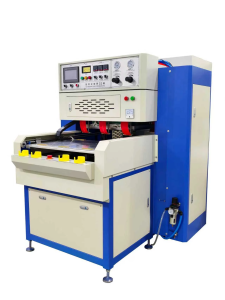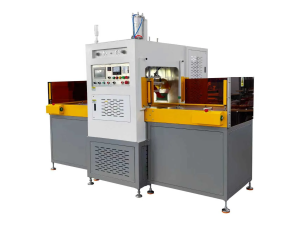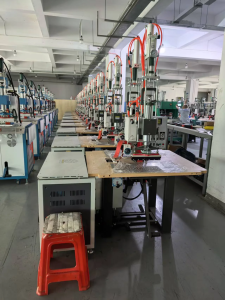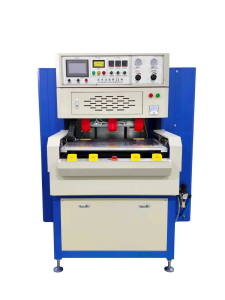
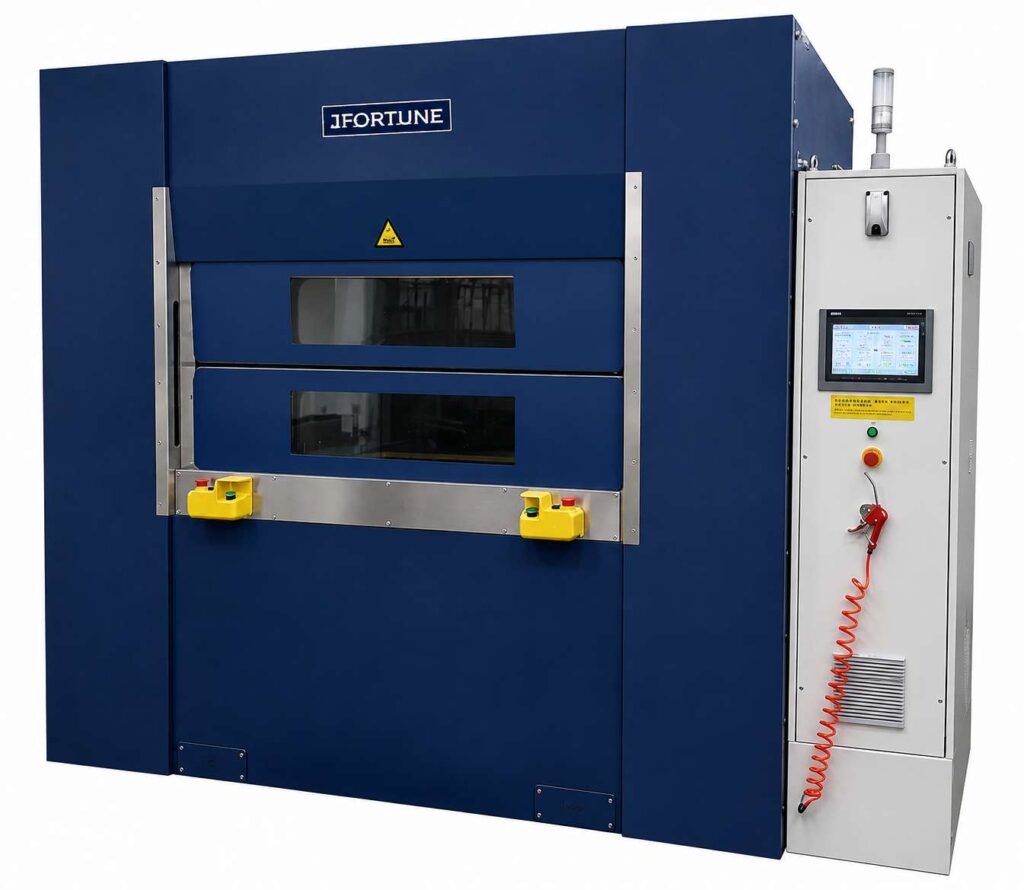
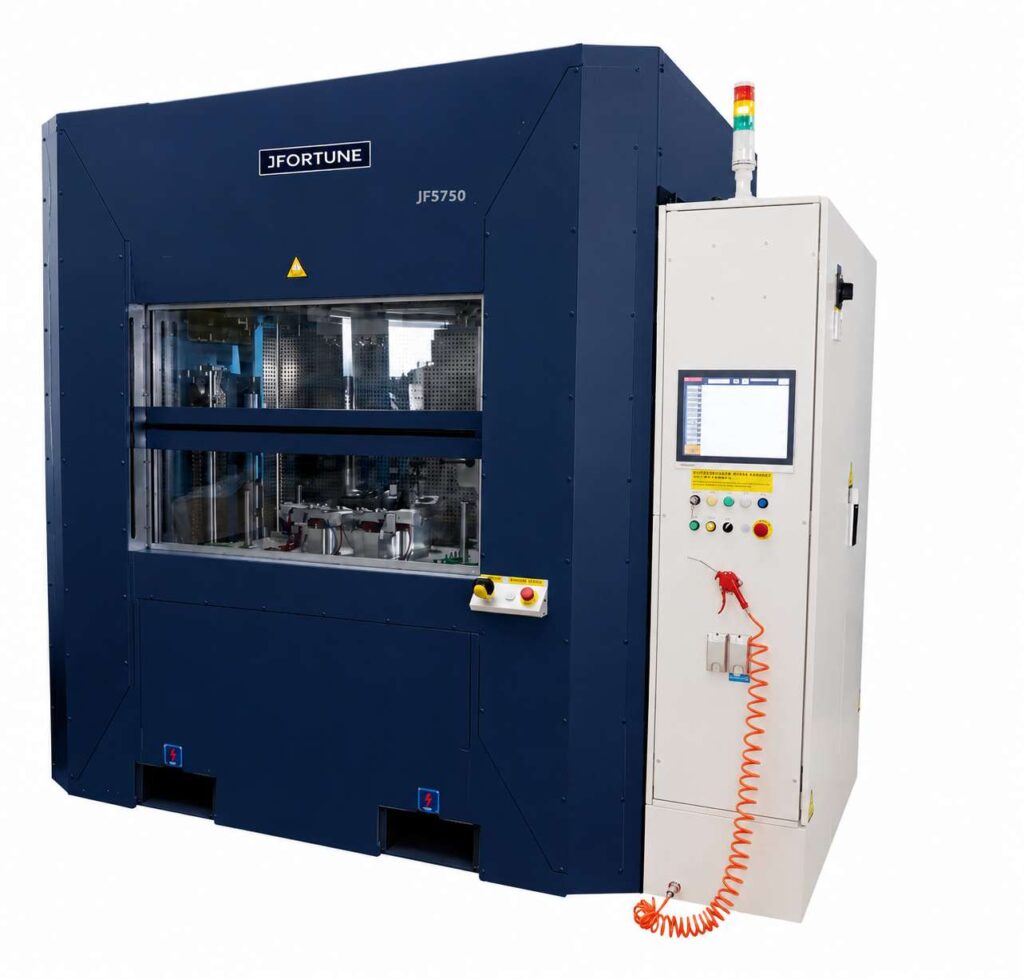
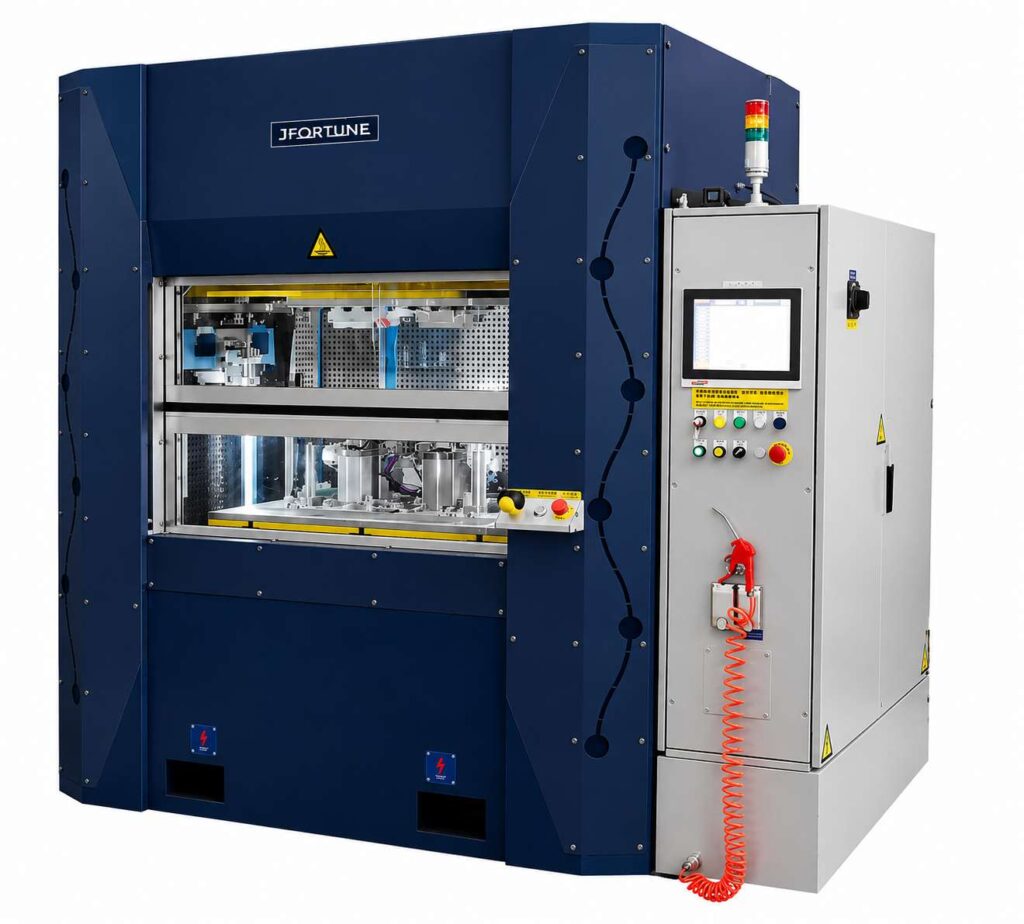
Custom Linear Vibration Welding Machine Manufacturer for Plastic Parts
Jfortune supplies linear vibration welding machines, fixtures and plastic welding solutions for thermoplastic parts that require strong, repeatable and clean joining without adhesives, screws or consumables.
Our vibration welding equipment can be configured for automotive lighting, air ducts, reservoirs, tanks, filter assemblies, appliance parts, medical housings, packaging components and other industrial plastic products with large or irregular weld lines.
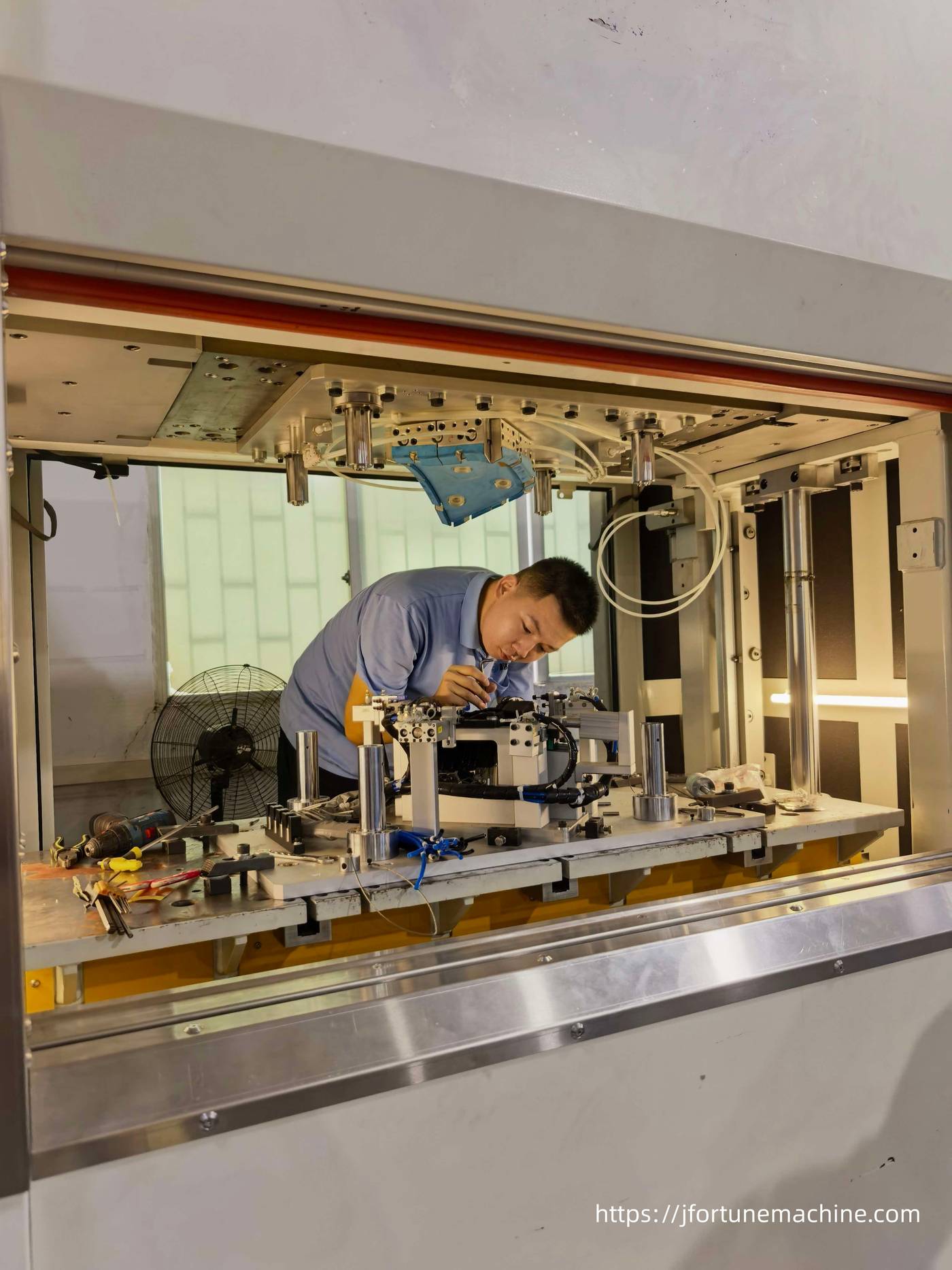
Each project is reviewed around part material, weld area, clamping force, amplitude, frequency, cycle time, joint design, surface requirements and production capacity. We support hydraulic vibration welding machines, servo motor vibration welding machines, IR cleaning options, custom fixtures, tooling design, PLC/HMI control and sample welding tests.
For OEM/ODM factories, automation integrators and industrial buyers comparing a China vibration welding machine manufacturer, Jfortune can discuss machine selection, fixture plan, process testing, installation, production training, spare parts and after-sales technical support.
Why Choose Jfortune Vibration Welding Machines
Jfortune focuses on custom vibration welding equipment for real production requirements, not only catalog models. Buyers can provide part 3D drawings, materials, sample photos, expected output and weld quality requirements, and our team will review fixture design, machine structure and process parameters.
Key advantages include stable welding strength for large thermoplastic parts, custom tooling for accurate positioning, PLC/HMI parameter control, hydraulic or servo drive options, IR cleaning choices, sample welding support, delivery inspection, operator training and after-sales technical communication.
Frequently asked:
What is a vibration welding machine used for?
It joins thermoplastic parts by vibration welding surfaces under pressure until heat is generated, then cooling the plastic into a strong weld.
Which industries use it?
Common applications include automotive lighting, ducts, tanks, reservoirs, appliance parts, filters, packaging and industrial plastic assemblies.
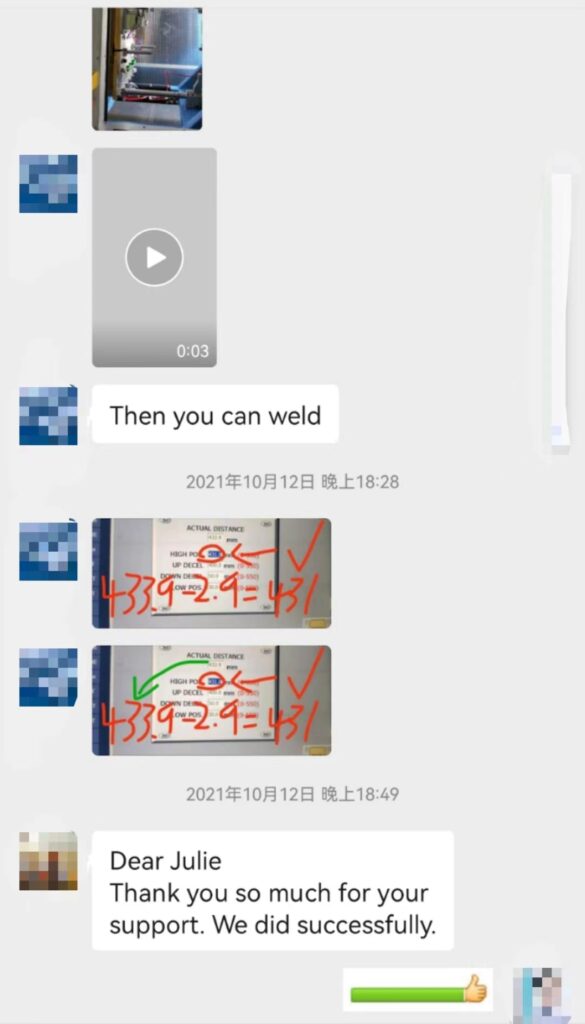
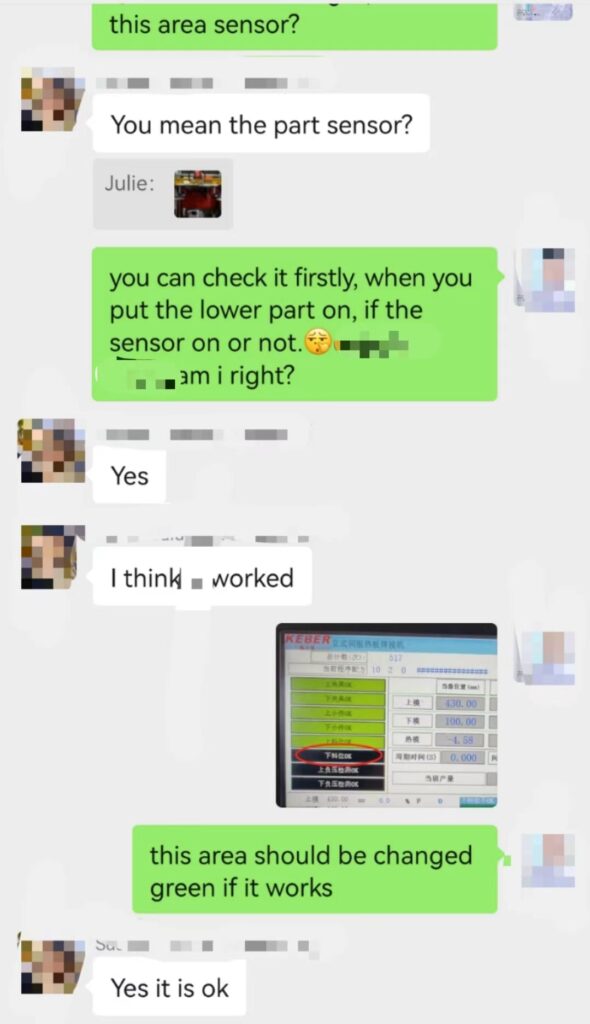
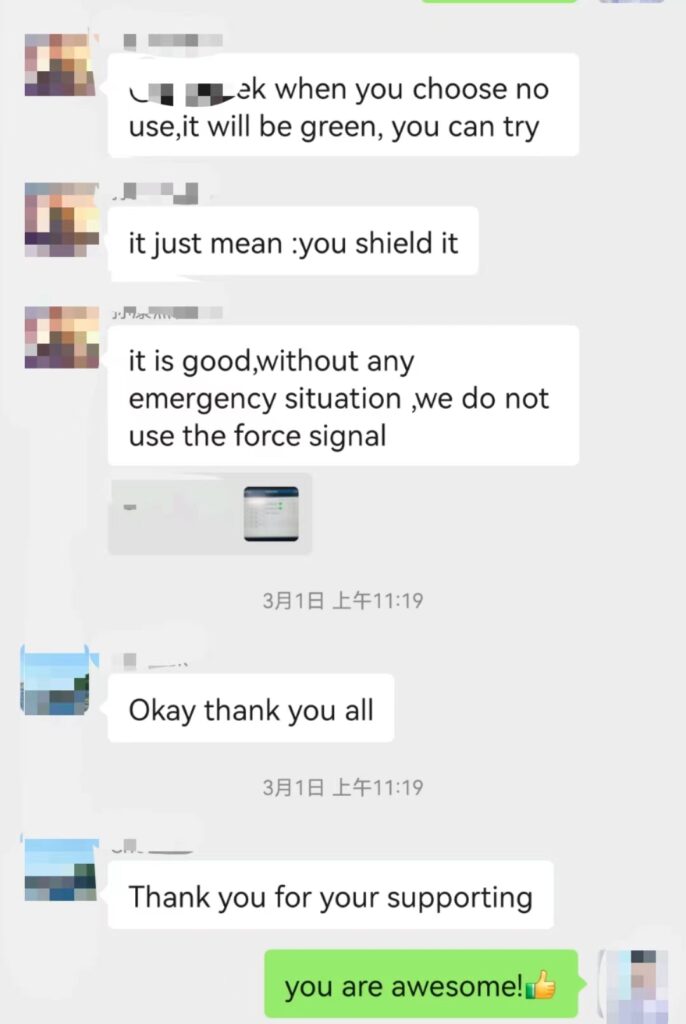
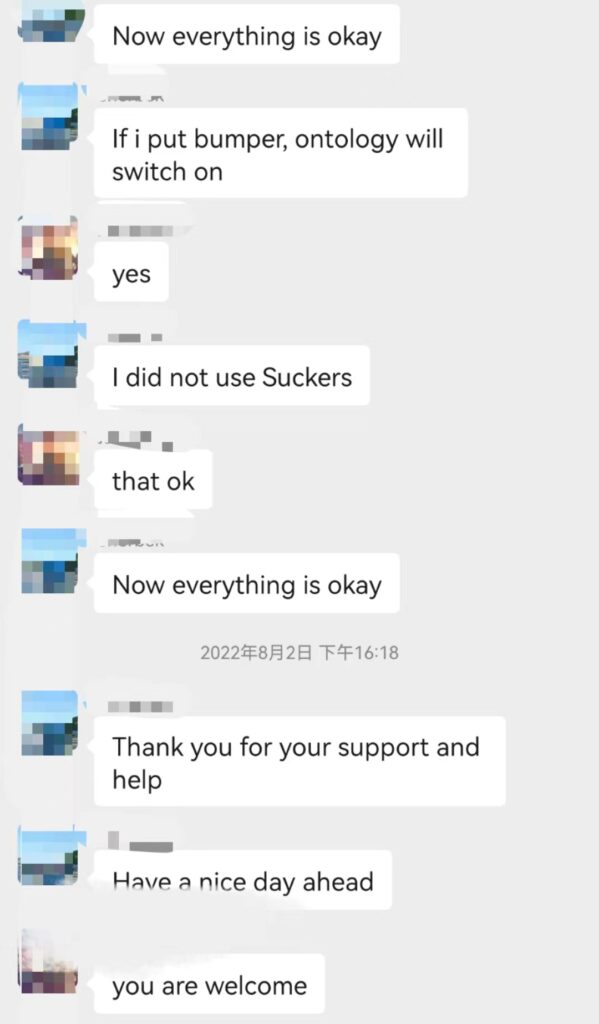
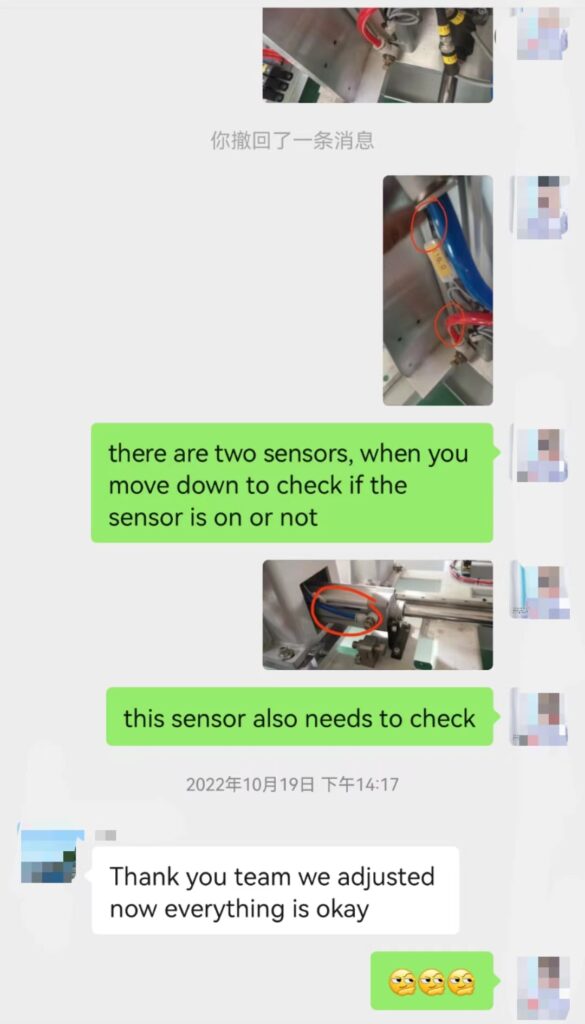
After sales service& Customer feedback
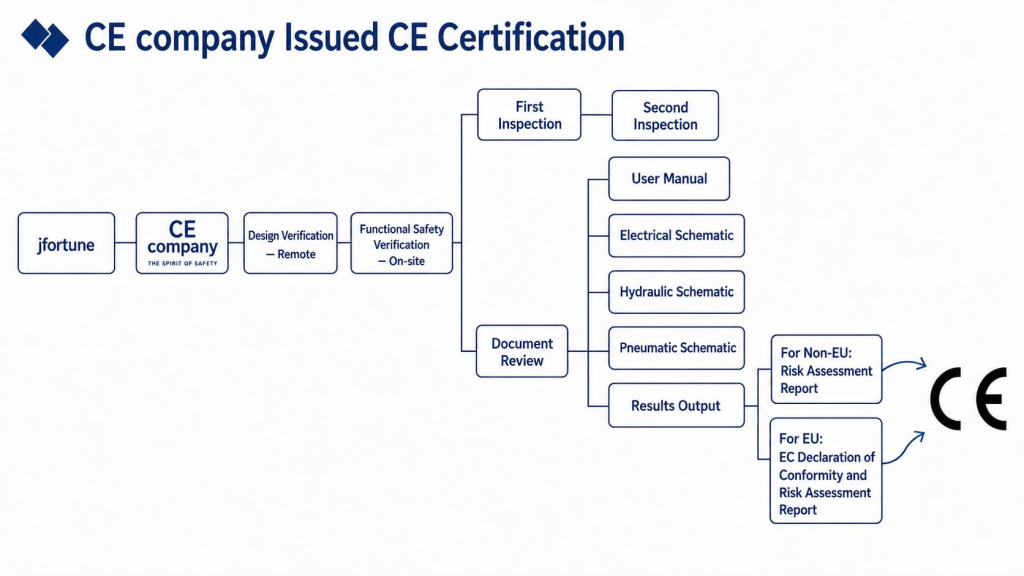
Vibration Welding Machine CE Certification
– We can meet European CE safety compliance as an evidence of highest safety design.
Plastic Welding Technology News and Guides
Our news offers a diverse look across all of our work. Explore the many perspectives that make up Jfortune.

Plastic Pulse Heat Welding Equipment: Process, Applications & RFQ Guide
A practical guide to pulse heat staking for plastic parts: process control, applications, technology comparison and the data needed for an accurate quotation.

Pulse Heat Staking vs Traditional Heat Staking
Plastic staking looks simple from the outside. A plastic post passes through another component. A heated tool reshapes the post into a rivet-like head. Once

Choosing the Right Plastic Welding Process
When customers ask us to recommend a plastic welding process, the first question is often: “Which technology produces the strongest weld?” It sounds reasonable. But

Standard Ultrasonic Welding Machine Guide
A practical Jfortune guide to standard ultrasonic welding machines, covering working principle, setup, welding parameters, safety, maintenance, troubleshooting, and plastic material compatibility.
980nm Laser Plastic Welding for Automotive Lighting
Learn how Jfortune laser plastic welding machines use 980nm semiconductor laser technology, synchronous multi-channel optics, and precision temperature control for automotive lighting and clean plastic joining.
Pulse Heat Staking Machine for Precision Plastic Assembly
Learn how a pulse heat staking machine improves plastic riveting, temperature control, appearance quality, energy use, and process stability for automotive interior, exterior, and precision plastic assemblies.
Choose the Right Vibration Welding System for Your Part
Jfortune configures vibration welding equipment around the molded parts, weld line, material combination, quality target and production plan. A meaningful proposal starts with engineering data rather than a generic machine size.
| System | Typical project priority | Review the solution |
|---|---|---|
| Servo vibration welding | Controlled motion, repeatable recipes and production data | Servo vibration welding machines |
| Hydraulic vibration welding | Stable clamping for large parts and long or complex weld lines | Hydraulic vibration welding machines |
| IR-preheated vibration welding | Cleaner joints, reduced particles and appearance-sensitive assemblies | IR clean vibration welding systems |
| Custom tooling and fixtures | Part location, weld-pressure distribution, surface protection and repeatability | Vibration welding tooling |
Machine selection is confirmed only after Jfortune reviews part drawings, resin grades, weld geometry, allowable flash, strength or leak requirements, target cycle time, loading method and factory standards.
From Technical Review to Delivery
- Feasibility review: confirm materials, joint design, part support and acceptance criteria.
- Machine and fixture concept: select the drive architecture, machine capacity, tooling and controls.
- Trials and acceptance: record sample conditions, parameters, inspection results and open points.
- Delivery and support: prepare documentation, training, installation coordination and after-sales support.
Compare the available industrial vibration welding machines and model specifications, or send your project data for an engineering review.