
Plastic Welding Processes & Automation

Jfortune process-selection and automation guides covering plastic welding comparisons, robotic integration, gluing, pressing, punching and production planning.

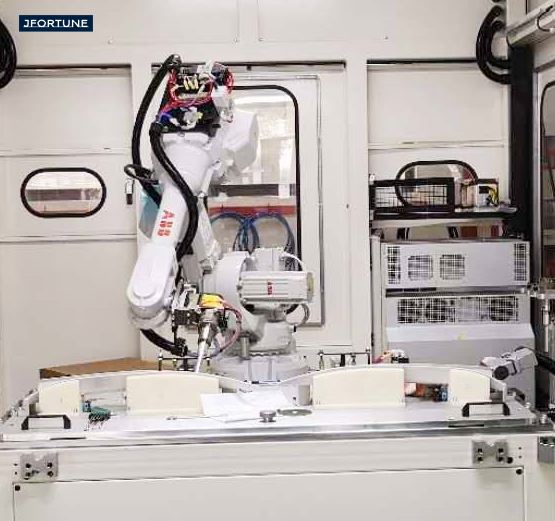
robot welding machine

Robotic Plastic Welding Integration: Process and Project Planning

Robotic plastic welding combines a suitable joining process with automated part handling, controlled motion, tooling, safety systems, and production data. The robot is only one part of the solution. Stable weld quality depends on selecting the correct process for the material, joint geometry, production target, and inspection requirement. What Robotic Plastic Welding Means In a […]

Robotic Plastic Welding Integration: Process and Project Planning Read More »
vibration welder

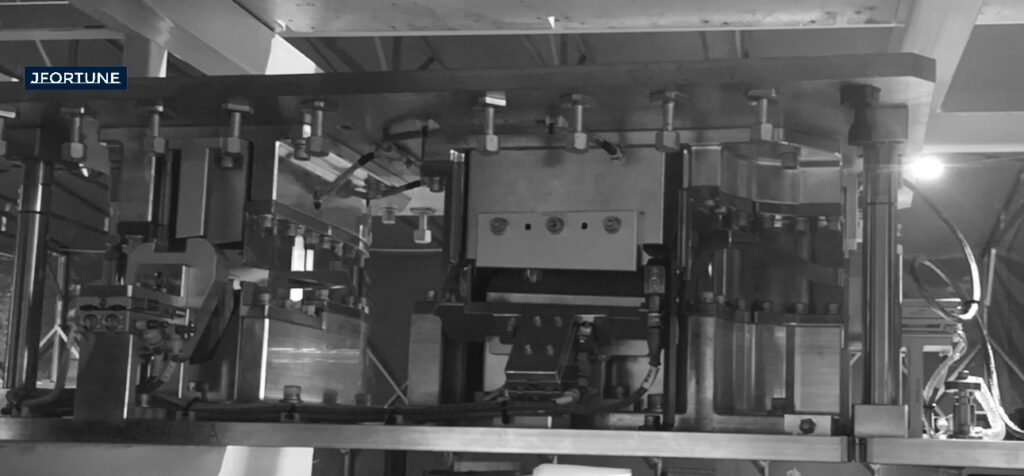
Understanding the Differences Between Ultrasonic and Vibration Welding

How Vibration and Ultrasonic Welding Differ Vibration and ultrasonic welding are both effective techniques used for joining materials, commonly plastics, but they operate on different principles and are suited to different applications. Vibration Welding: Vibration welding involves the movement of one workpiece relative to another under pressure, typically in a linear or orbital motion. The

Understanding the Differences Between Ultrasonic and Vibration Welding Read More »

infrared-vibration-welder

Reasonable Choice of Welding Process

Factors for Selecting a Welding Process Product Material Characteristics A. Material grade B. Material melting temperature C. Material additives (e.g., GF fiberglass added to the material) The higher the melting temperature, the more difficult it is to weld, and the higher the fiberglass content, the more difficult it is to weld. Hot gas welding>infrared welding>infrared

Reasonable Choice of Welding Process Read More »

Scroll to Top