
Linear Vibration Welding Machine for Thermoplastic Parts
Vibration Welding Machine Types and Applications
Linear vibration welding is a production-ready plastic joining process for thermoplastic parts with large, complex or irregular weld lines. Jfortune supplies vibration welding machines, fixtures and tooling for automotive lighting, air ducts, tanks, reservoirs, filter assemblies, appliance parts, medical housings and industrial plastic components.
For each project, we review the plastic material, weld area, part size, clamping force, amplitude, frequency, cycle time, surface requirements and production capacity. Machine options include hydraulic vibration welding, servo motor vibration welding, IR cleaning vibration welding and custom tooling for OEM/ODM production lines.
Frequently asked: What should buyers prepare before quotation? Send part drawings, material information, sample photos, target output and weld quality requirements. Jfortune can recommend the machine size, fixture concept, PLC/HMI control needs and sample welding test direction.
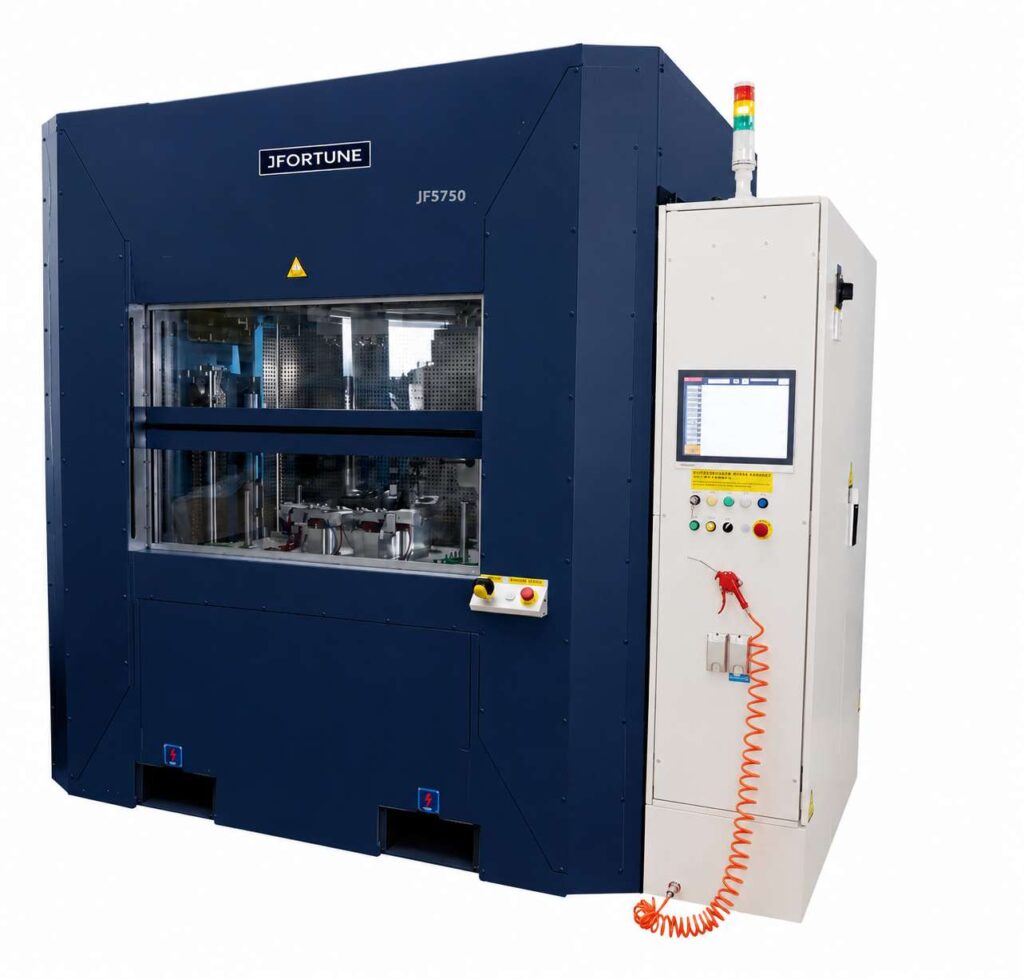
Servo Motor Vibration Welding Machine
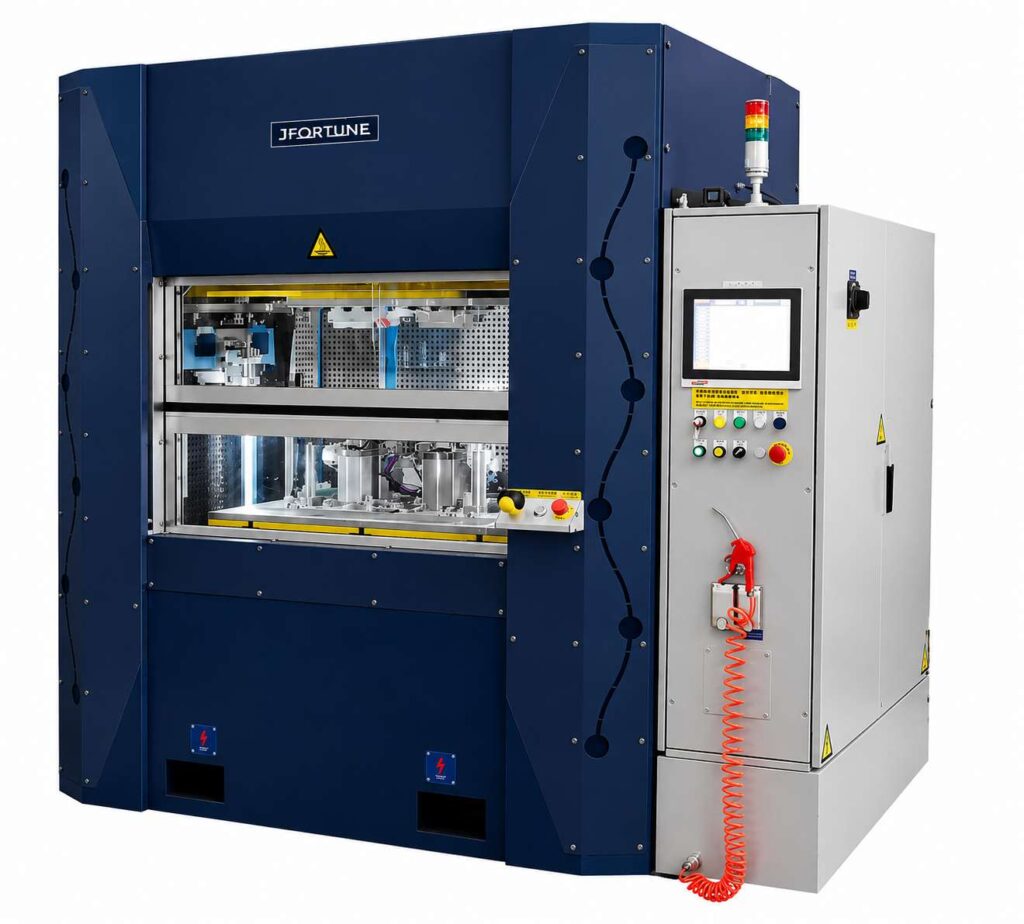
IR cleaning vibration welding machine
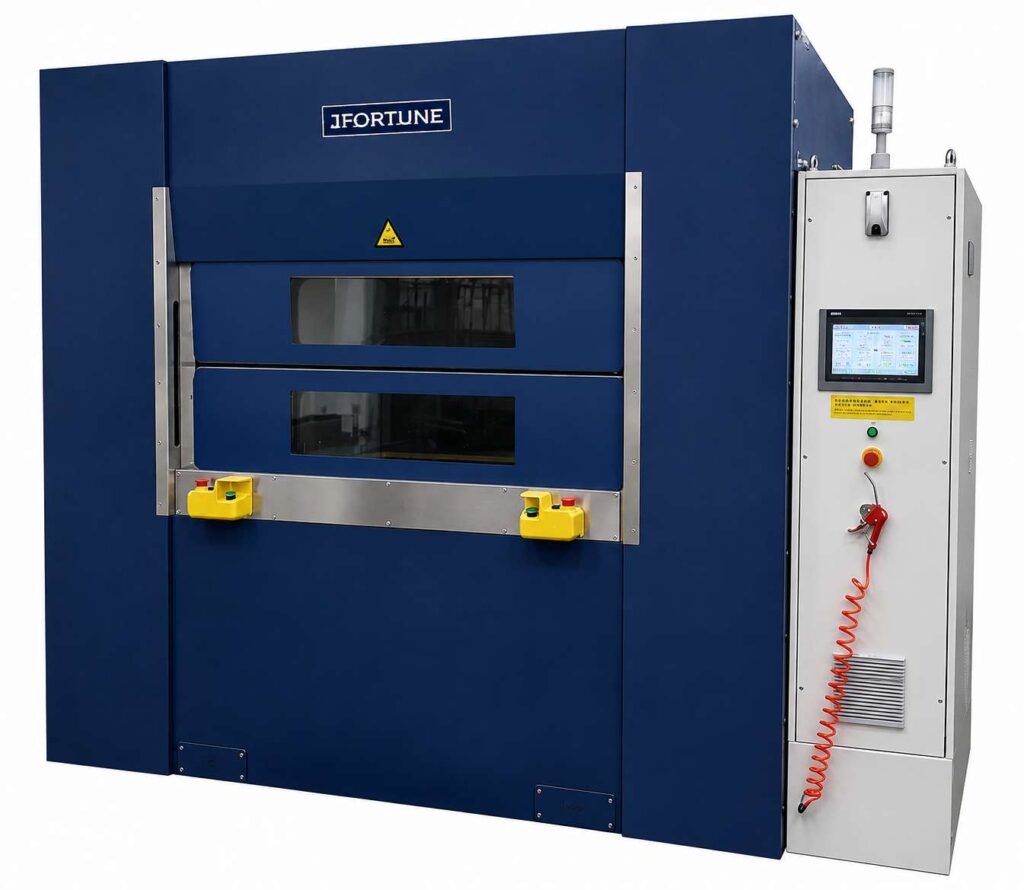
Hydraulic vibration welding machine
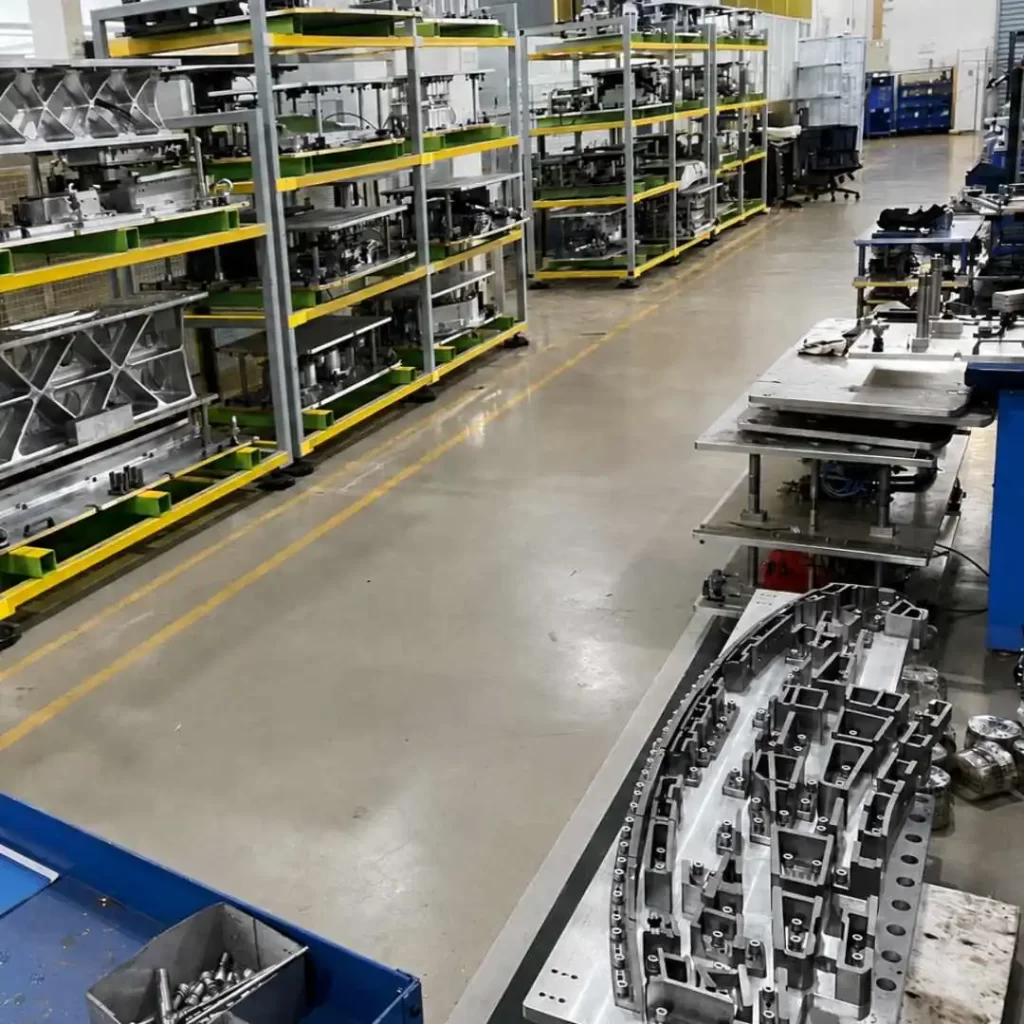
Vibration Welding Tool
Application Considerations
- Medical applications include surgical instruments, filters and I-V units, bedpans and insulated trays.
- Jfortune vibration welders find extensive utility across various industries and applications. Here are some examples:
- Automotive assembly: Jfortune vibration welders are well-suited for joining components in automotive applications such as door panels, intake manifolds, instrument panels, tail lights, lenses, fluid reservoirs, and bumpers.
- Aviation applications: like assembling HVAC ducts, air diverter valves, interior lighting, and overhead storage bins.
- Appliance manufacturing: like dishwasher pumps and spray arms, detergent dispensers, and vacuum cleaner housings.
- Accessories applications: like business and consumer toner cartridges, point-of-purchase displays, display stands, and shelves.
- Chainsaw housings and power tools: Vibration welders are utilized in the assembly of chainsaw housings and power tools.
- Medical applications: These welders find applications in the medical field for joining surgical instruments, filters, I-V units, bedpans, and insulated trays.
Important Notes of the use of vibration friction machine
Process Steps for Linear Vibration Welding
Robot vibration welding machine
Pallet Vibration Welder Automation
The Difference of Hydraulic Vibration Welder and Servo Motor Vibration Welding Machine
The Importance of Proper Usage of Vibration Welding Machines
Comprehensive Vibration Welding Machine Delivery Inspection Checklist
Vibration Welding Machine Models and Engineering Specifications
The following published specifications provide a starting point for model comparison. Final machine capacity, tooling mass, welding area and process settings must be confirmed from the actual parts and the signed technical agreement.
| Model | System | Frequency | Clamping force | Published welding area | Machine weight |
|---|---|---|---|---|---|
| JFS-710 | Servo | About 240 Hz | 18 kN | 0–250 cm² | 3,500 kg |
| JFS-750 | Servo | About 240 Hz | 25 kN | 20–500 cm² | 5,000 kg |
| JF-881S | Servo | About 110 Hz | 25 kN | Up to 750 cm² | 12,000 kg |
| JFR-850 | IR preheat + servo vibration | About 240 Hz | 25 kN | 20–500 cm² | 6,500 kg |
| JFR-860 | IR preheat + servo vibration | About 240 Hz | 25 kN | 50–500 cm² | 8,000 kg |
| Custom hydraulic system | Hydraulic | Project-specific | Project-specific | Confirmed from part and tooling | Project-specific |
Published figures are not a substitute for application review. Resin, fillers, weld-rib geometry, supported area, moving tool mass and quality requirements can change the appropriate model.
How Jfortune Selects a Vibration Welding Machine
1. Part and material review
Provide released 2D or 3D data, exact resin grades, fillers, molded samples and the proposed weld line. Jfortune reviews whether vibration welding is appropriate and identifies information that must be verified by trials.
2. Quality and production requirements
Define joint strength, leak testing, allowable flash, cosmetic surfaces, cycle target, shift pattern, loading method, traceability and plant safety standards before the equipment concept is frozen.
3. Machine, tooling and controls
The machine and vibration welding fixture are evaluated together. The proposal may include servo or hydraulic actuation, IR preheating, PLC/HMI recipes, sensors, quick-change tooling and automation interfaces.
4. Trial and acceptance plan
Acceptance can include visual inspection, dimensional checks, strength or leak testing, repeated production cycles, safety functions, alarms, recipes, documentation and operator training. Exact methods and sample quantities are agreed for each project.
Compare Vibration Welding Machine Types
- Servo vibration welding machines and JFS model details
- Hydraulic vibration welding for large thermoplastic parts
- IR-preheated vibration welding for cleaner joints
- Automotive lighting vibration welding applications
Vibration Welding Machine FAQs
What information is required for a quotation?
Send part drawings, exact materials, samples or clear photos, weld and quality requirements, production target, loading concept, factory utilities and destination standards.
Can one machine weld several products?
It may be possible when all variants fit the machine capacity and can use approved tooling and recipes. Compatibility is confirmed only after every variant is reviewed.
How is the correct frequency selected?
Frequency is part of the machine architecture and process window. Part size, weld line, tooling mass and material behavior must be evaluated together; a higher frequency is not automatically better.
Can Jfortune test customer parts?
Sample trials can be planned when suitable molded parts and material information are available. The trial scope, sample quantity and acceptance method are agreed before testing.
Send drawings and production requirements to start a vibration welding project review.
 EN
EN  DE
DE  ES
ES  PT
PT  RU
RU  JA
JA  IT
IT  AR
AR  KO
KO